
Frequently Asked Questions
What are the Moree artesian baths?
The Moree artesian baths are naturally heated mineral pools fed by water drawn from the Great Artesian Basin, one of the largest underground water systems in the world. For generations, visitors have travelled to the Moree Plains to relax in the warm, mineral-rich water and experience one of Australia’s best-known artesian spa destinations. It’s the perfect place to slow down, unwind and soak it in.
What are the benefits of artesian mineral water?
Artesian water contains naturally occurring minerals including silica, lithium, zinc and iron. Many visitors choose artesian bathing for relaxation, gentle recovery after travel or exercise, and the soothing feeling of warm mineral water on muscles and joints. While individual experiences vary, the combination of heat, buoyancy, and minerals makes the Moree Plains artesian experience so distinctive. For more information, read our blog "Artesian Water - Why is it so good for you?"
What temperature are the pools?
The artesian pools in the Moree Plains are typically maintained at warm, comfortable bathing temperatures, around 35 - 40°C depending on the pool and season. The water is naturally heated underground before reaching the surface, creating a relaxing soak that is especially popular during the cooler months.
Do I need to book the pools in advance?
There is no need to book in advance to access Moree's public artesian baths (Moree Artesian Aquatic Centre, Boomi Artesian Baths and Mungindi Hot Pools). For the best experience, we recommend checking opening hours before you travel. Moree Plains is a popular wellness road-trip destination, and pool sessions can be busy at peak times, including winter, school holidays, long weekends and major events. For the most up-to-date information for your travel dates, call the pool operator when planning your trip.
Moree also offers a range of accommodation with artesian water on-site. Access to these facilities is reserved for guests. Check out artesian accommodation options here.
How many days should I spend in Moree Plains?
We recommend 3+ days to experience the best of the Moree Plains. Spend a day enjoying the artesian pools, another exploring the Moree Art Trail, Bank Art Museum Moree and local food spots, and a third venturing to the shire's smaller communities like Pallamallawa, Boomi, or Mungindi. Many visitors stay even longer, enjoying twice-daily artesian bathing and country hospitality at its best. Slow down and soak it in.
What is the best time of year to visit?
The Moree Plains can be visited year-round, but autumn, winter and spring (April to October) are the most popular times for the artesian baths and outdoor exploring. Crisp mornings, sunny days and warm mineral pools create the classic Moree wellness experience. Summer is quieter and can be a great option for travellers looking for fewer crowds and a more relaxed pace. Summer is a great time to explore our rivers with excellent fishing, waterskiing and swimming spots along the Mehi, Gwydir, Barwon and McIntyre Rivers that wind through our shire.
Where should I stay in Moree?
Moree Plains offers accommodation for every style of traveller, including motels, caravan parks, cabins, self-contained units, family accommodation and motorhome-friendly stays. Many visitors choose accommodation with on-site artesian pools or located close to public artesian facilities. Others prefer quieter locations with farm stays and camping available along the Gwydir and Barwon Rivers. Explore all the possibilities here.
Can I bring a caravan or motorhome?
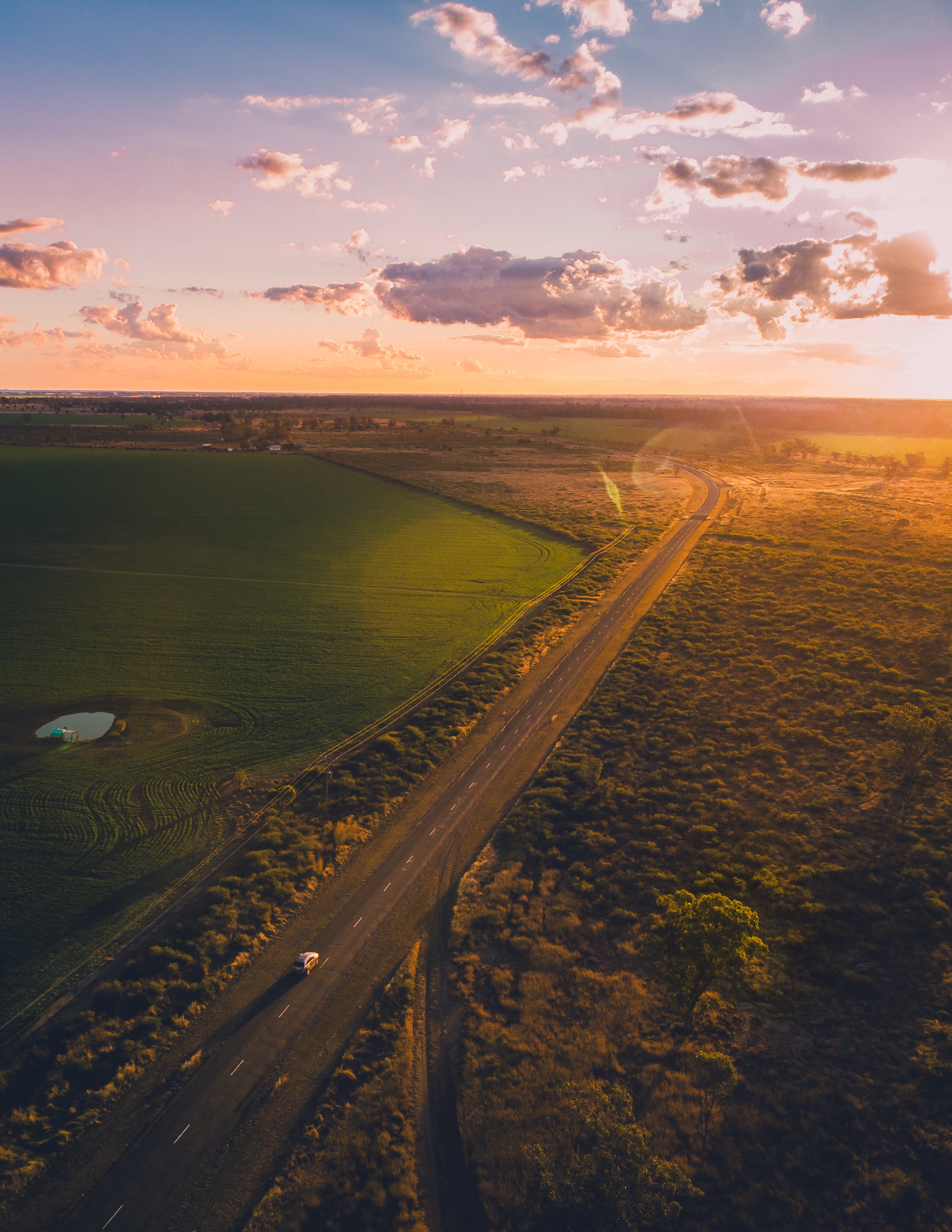
Yes! The Moree Plains is a favourite road-trip destination for caravanning and camping. Moree has caravan parks with powered sites, cabins and facilities for longer stays, and the smaller towns across the shire are popular stops for road trippers exploring north-west NSW. Key road trip routes include the Newell Highway, Gwydir Highway and the Carnarvon Highway. These routes are great for all types of vehicles as they are bitumen roads with regular stopping points along the way. For more information, check out our blog "What makes the Moree Plains the ideal drive destination?"
What are the top things to do besides the hot pools?
There is so much more to discover beyond the artesian water. Popular experiences include Bank Art Museum Moree (BAMM), the Moree Art Trail, the Heritage and Art Deco Walk, fishing along the Mehi and Barwon rivers, birdwatching at the Gwydir Wetlands, exploring Terry Hie Hie Aboriginal Area, and visiting the historic border town of Mungindi. Whether you’re travelling for wellness, culture, nature or family time, the Moree Plains offers more than many visitors expect.
Can I visit the Pecan Farm?
No. Trawalla is no longer open to visitors. Please get in touch with us to discover which tours and farm visits are on offer during your planned visit.
Are Boomi and Mungindi worth visiting?
Absolutely. Boomi is loved for its quiet country atmosphere and warm artesian baths, while Mungindi offers a unique cross-border experience, rich history and attractions such as the One Ton Post and Mungindi History Park. Together with Moree, they create an easy and rewarding artesian road trip through the Moree Plains.
Is Moree safe for visitors?
Moree is a welcoming regional community that receives thousands of visitors each year, including families, caravan travellers, rail visitors and wellness seekers. As with any destination, use normal travel precautions, secure valuables and be aware of your surroundings, particularly at night. Most visitors enjoy a relaxed and trouble-free stay while exploring the Moree Plains.
How do I get to Moree?
Moree is one of the few regional NSW destinations that can be reached by train, plane or road. NSW TrainLink services connect Moree with Sydney via the North West route, and regular flights operate between Moree and Sydney. For many travellers, however, the best way to experience the Moree Plains is by car, allowing time to explore Moree, Boomi, Mungindi and the surrounding countryside at your own pace.