
Discover Gamilaroi Culture
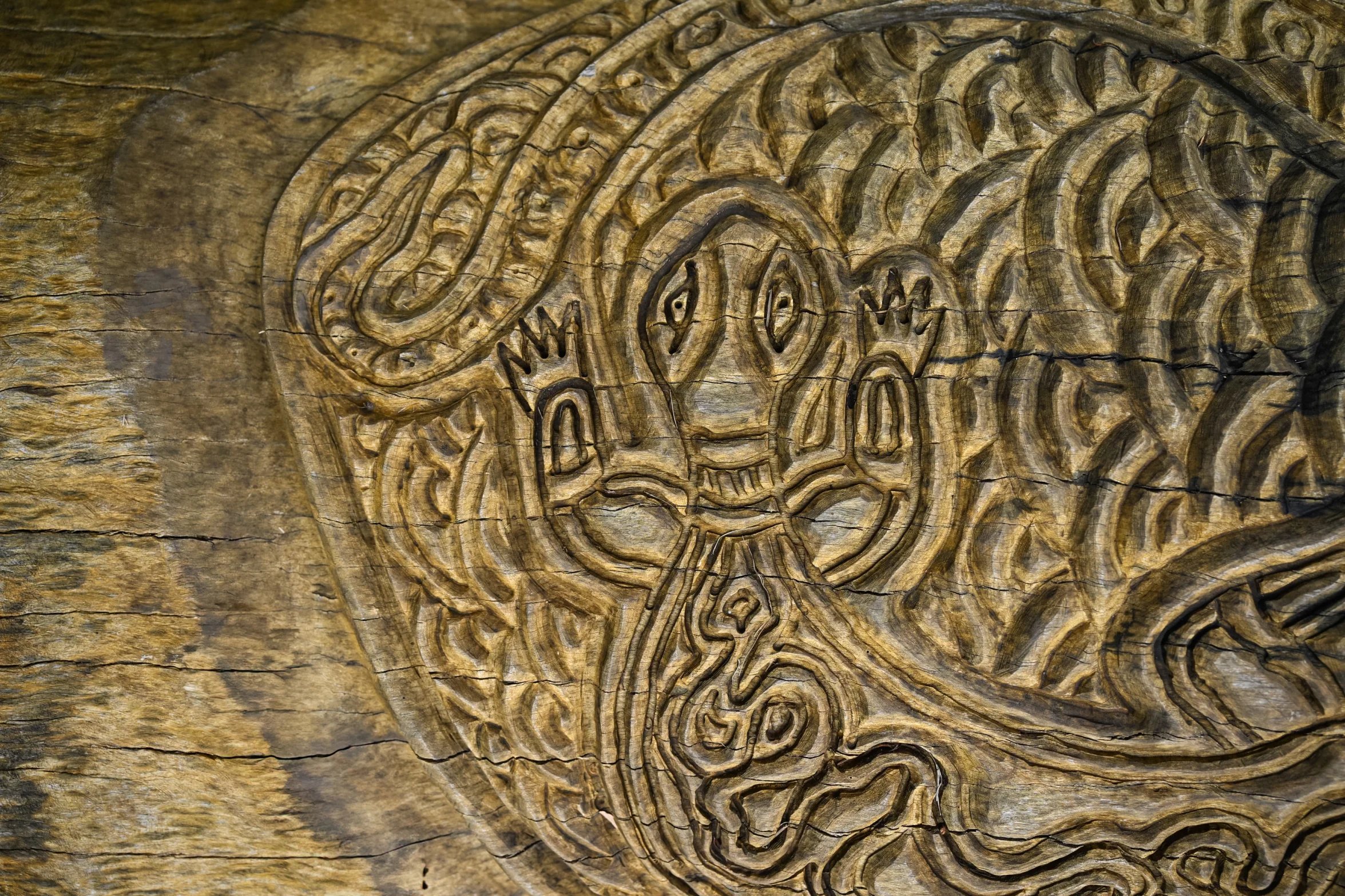

The Moree Plains lie on the traditional lands of the Gamilaroi people, the second-largest First Nations group on the Australian continent. Also spelled Gamilaraay, Gamilaroi, and Kamilaroi, the use of “G” instead of “K” reflects differences in language use across the region and is a reminder of the living, evolving nature of Aboriginal languages. The spelling and pronunciation can sometimes be confusing. Generally speaking, Gamilaroi or Gomeroi refers to the people and Gamilaraay is the language, as we understand it.
The Gamilaroi people are known as skilled storytellers, using oral traditions like song and ceremony to pass knowledge, culture, and connection to Country through generations. At Tourism Moree, we recognize that storytelling remains a powerful way to educate, inspire, and connect. Through tourism, we hope to reflect and honour these traditions by sharing the stories of this land with respect, care, and authenticity.
The name “Moree” is believed to derive from a Gamilaroi word meaning “rising sun,” “long spring,” or “water hole,” likely referencing the Mehi River or the natural artesian hot springs that flow beneath the land, the lifeblood of Country, people and culture, then and now.
One of the most well-known Aboriginal stories across Australia is that of the Rainbow Serpent. In our region, the Garriya — a Rainbow Serpent and powerful ancestral being — is said to rest deep in the sacred waters of Boobera Lagoon, located just west of Boggabilla, north of Moree. These stories hold knowledge, laws, and spiritual meaning that continue to guide and connect communities to this day. They are not myths, they are cultural maps, carrying deep spiritual and environmental understanding.
Tourism Moree honours and respects the Gamilaroi people as the Traditional Custodians of the lands, skies, and waterways that make up the Moree Plains. We recognise their enduring connection to Country and celebrate the cultural richness that continues to shape this region. We acknowledge the significant contribution made by Gamilaroi people to the development and promotion of the visitor economy.
As we share the story of this place with visitors from near and far, we are committed to doing so in partnership, guided by truth, respect, and the strength of Gamilaroi voices, ensuring culture is reflected in the experiences we offer — respectfully and with meaning.
Walking in the Footsteps of the Gomeroi People
The Moree Plains offers travelers a meaningful opportunity to learn about Gamilaroi culture. Our towns and national parks are filled with places of significance and cultural insights into the enduring presence of the Traditional Custodians. Here we attempt to capture some of the sites which are easily accessed so you can discover the story of one of the world's oldest living cultures.
Terry Hie Hie Aboriginal Area
Location: 45km southeast of Moree via Mosquito Creek Road\ Access: Year-round, sealed road access
The Terry Hie Hie Aboriginal Area stands as one of the most significant Indigenous heritage sites in the region. This protected area of approximately 1,500 hectares encompasses not only natural bushland but also the site of the former Terry Hie Hie Aboriginal Mission Station, established in the early 1900s.
Mission History
The mission operated until the mid-20th century, until Aboriginal families were moved off Country to the town of Moree. Today, interpretive signage throughout the area shares stories of daily life on the mission, its complex history, and the resilience of the Aboriginal community who lived there. Several remaining building foundations and the mission cemetery provide tangible connections to this relatively recent period of Aboriginal history.
Cultural Features
Beyond the mission history, Terry Hie Hie contains numerous culturally significant sites:
-
Scarred Trees: Some trees in the area still bear signs of where bark was removed by Aboriginal people for creating canoes, shields, and containers. Other trees were carved for ceremonial purposes and the distinctive marks serve as a record of traditional practices.
-
Stone Arrangements: Several ceremonial stone arrangements remain visible in protected locations within the area, their specific purposes and meanings shared only through guided tours with Traditional Custodians.
-
Bush Tucker Trail: A well-marked walk identifies traditional food plants and medicinal species that have sustained Aboriginal people for generations. The seasonal availability of these resources demonstrates the sophisticated ecological knowledge developed over millennia.
Guided tours led by Gomeroi knowledge holders can be arranged through the Moree Visitor Information Centre, offering deeper insights into the cultural significance of the area.
Jellicoe Park Open Spaces Art Trail
The newest installation in Jellicoe park is the Open Space Aboriginal Art Trail. It consists of a stunning array of local Aboriginal artists works in many different mediums including carves logs, engraved and painted rocks, scar tree paintings and more. The Open Spaces Art Trail showcases the ways in which contemporary artists keep their cultural alive and growing.
Jellicoe Park is boarded by the Mehi River, and on the first Sunday of the month (excluding January) it is home to the monthly Moree markets. As you stroll through Jellicoe Park you will note a paved walkway. The Goanna walk is designed by local, Tian Harris. Follow the goanna footprints until resting around the raised garden bed you'll discover the goanna curled up ready for a nap.
Dhiiyaan Indigenous Centre
Location: Balo Street, Moree\ Open: Tuesday and Thursday 10am - 5pm\ Access: Fully accessible facility
The Dhiiyaan Indigenous Centre is home to one of the most significant collections of Aboriginal genealogical records and historical photographs in Australia. Managed by Moree Plains Shire Council as part of the municipal library, the centre serves as both cultural repository and living archive. Members of the public are able to request access to the collections by appointment and the centre offers visitors a changing program of exhibitions.
The centre offers:
-
Historical Exhibitions: Rotating displays featuring artifacts, photographs, and documents that tell the story of Aboriginal experience in the region.
-
Genealogical Resources: Staff can assist visitors of Aboriginal descent in researching family connections to the Moree area.
-
Cultural Orientation: Essential context for understanding the sites along the heritage trail, including maps, guides, and recommended reading.
-
Art Gallery: Contemporary works by local Aboriginal artists.
The centre's knowledgeable staff can provide guidance on visiting protocol for sacred sites.
Visiting Sacred Sites Respectfully
These cultural sites are a wonderful way to discover Gamilaroi culture and the history of the Moree Plains. Visitors should attend with thoughtful and respectful curiosity:
-
Seek Guidance: Some sites should only be visited with appropriate cultural guides who can explain significance and ensure protocols are followed. The sites listed above are open to the public.
-
Respect Restrictions: Some areas may be closed due to cultural business, ceremonial activities, or gender-specific significance. These restrictions protect the integrity of continuing cultural practices.
-
Leave No Trace: Take only photographs and memories; leave all natural and cultural items in place.
-
Listen with care: Aboriginal understandings of country involve complex knowledge systems developed over thousands of years. Approach learning with an open mind and curiosity.